The transformation of technology management in companies
For many years, most companies managed their technological infrastructure in a reactive way. Problems appeared, systems failed, and only then did technical intervention take place to solve the issue. Although this model is still very common, it has become insufficient for organizations that increasingly depend on technology for their daily operations.
With the evolution of Artificial Intelligence (AI), companies now have access to tools capable of continuously monitoring systems, analyzing behaviors in real time, and identifying problems before they impact the business. Even companies that have never implemented any AI solution can benefit from these technologies gradually and without the need for major structural changes.
What it means to use AI in continuous monitoring and maintenance
Using AI in this area allows systems, applications, websites, servers, or equipment to be continuously monitored through the automatic analysis of data and operational patterns.
Instead of relying solely on manual checks or the experience of technical teams, AI can recognize abnormal behaviors, generate automatic alerts, and anticipate possible failures. This creates a far more preventive approach, where issues can be resolved before they affect employees, customers, or company operations.
In practice, AI acts as an intelligent layer of observation and continuous analysis, helping companies gain a clearer understanding of the real condition of their technological infrastructure.
How AI helps reduce failures and downtime
One of the biggest advantages of AI is its ability to detect signs of problems before a critical interruption occurs. Small changes in server performance, unusual usage patterns, or unexpected behaviors can be automatically analyzed and compared with historical data.
For example, a slower-than-usual website, an abnormal increase in resource usage, or suspicious network access can be identified immediately. This allows companies to act quickly and prevent the situation from escalating into a business-impacting failure.
For many organizations, this predictive capability represents a major operational improvement, reducing downtime, productivity losses, and the costs associated with emergency support or system recovery.
The importance of AI in cybersecurity
Intelligent monitoring also plays an increasingly important role in cybersecurity. Today, many digital threats are difficult to identify manually, especially because some attacks can remain hidden for a long period before being detected.
AI-powered tools can analyze access patterns, user behavior, and suspicious activities in real time. When something unusual is identified, these systems can generate automatic alerts or even trigger immediate responses to reduce risk.
This allows companies without highly specialized internal security teams to significantly improve their detection and response capabilities.
Predictive maintenance and problem prevention
Another important benefit of AI is predictive maintenance. Traditionally, many systems and devices only receive maintenance after visible failures occur. This approach often leads to high costs, unexpected interruptions, and reduced efficiency.
With AI, it becomes possible to analyze operational history, usage patterns, and technical indicators to predict when a system or piece of equipment may require maintenance.
This enables companies to plan interventions more intelligently, reduce unexpected downtime, and extend the lifespan of their technological infrastructure.
How to start implementing AI without complexity
Many companies believe that implementing AI requires very high investments or extremely complex projects. However, adoption can begin in a simple and gradual way.
In many cases, the first step is implementing basic intelligent monitoring platforms capable of generating automatic alerts and providing greater visibility into existing systems. From there, companies can gradually evolve toward more advanced analytics, task automation, and integration with other internal processes.
This approach allows organizations to test solutions, measure results, and adapt implementation according to their real needs without requiring disruptive changes.
AI as support for technical teams
There is still a common misconception that AI aims to replace technical professionals. In reality, its primary purpose is to enhance team capabilities and eliminate repetitive tasks that consume valuable time every day.
By automating analysis, monitoring, alert generation, and problem detection, professionals can focus more on strategic tasks, continuous improvement, and technological innovation.
AI should be viewed as a support tool that improves operational efficiency and helps teams work in a faster, more organized, and preventive manner.
Security, privacy, and compliance
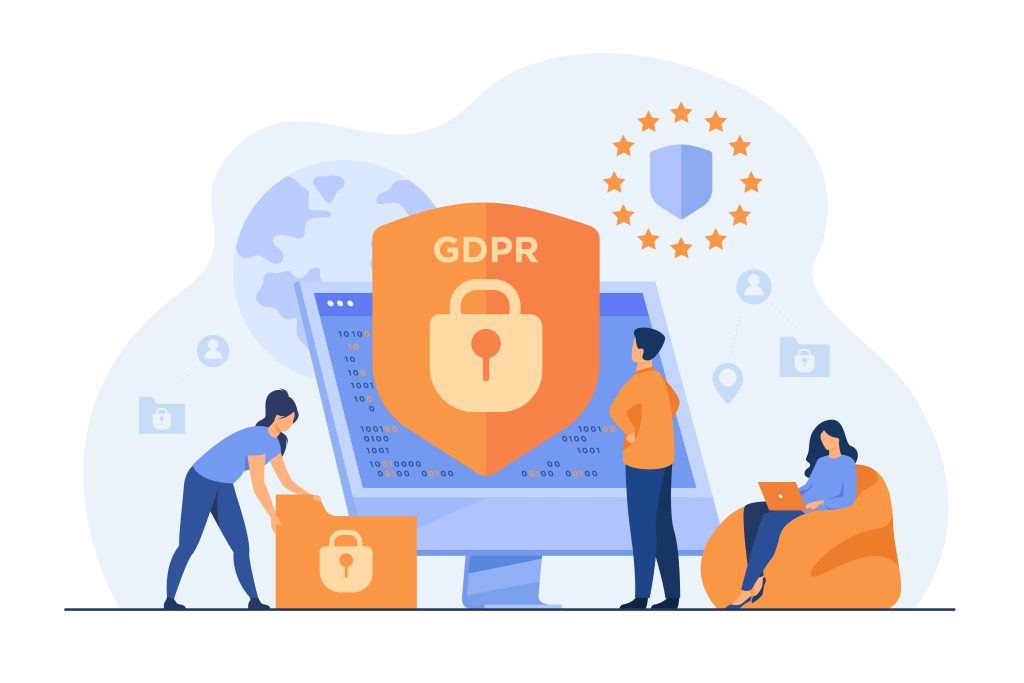
Any AI implementation should be carried out with careful attention to security and data protection. It is important to ensure access control, information protection, and compliance with regulations such as GDPR.
Choosing the right tools and implementing them through a well-structured strategy is essential to ensure that technology delivers real benefits without compromising company security.
Conclusion
The use of AI in continuous monitoring and maintenance represents an increasingly valuable opportunity for companies seeking to improve the stability, security, and efficiency of their technological systems.
Even organizations with no previous experience in Artificial Intelligence can start with simple solutions and gradually evolve as new needs emerge. More than simply following a technological trend, this is about creating more predictable, secure, and scalable business environments.
The ability to anticipate problems, automate processes, and improve visibility over technological infrastructure makes AI an increasingly important tool for companies that want to operate with greater confidence and efficiency.